
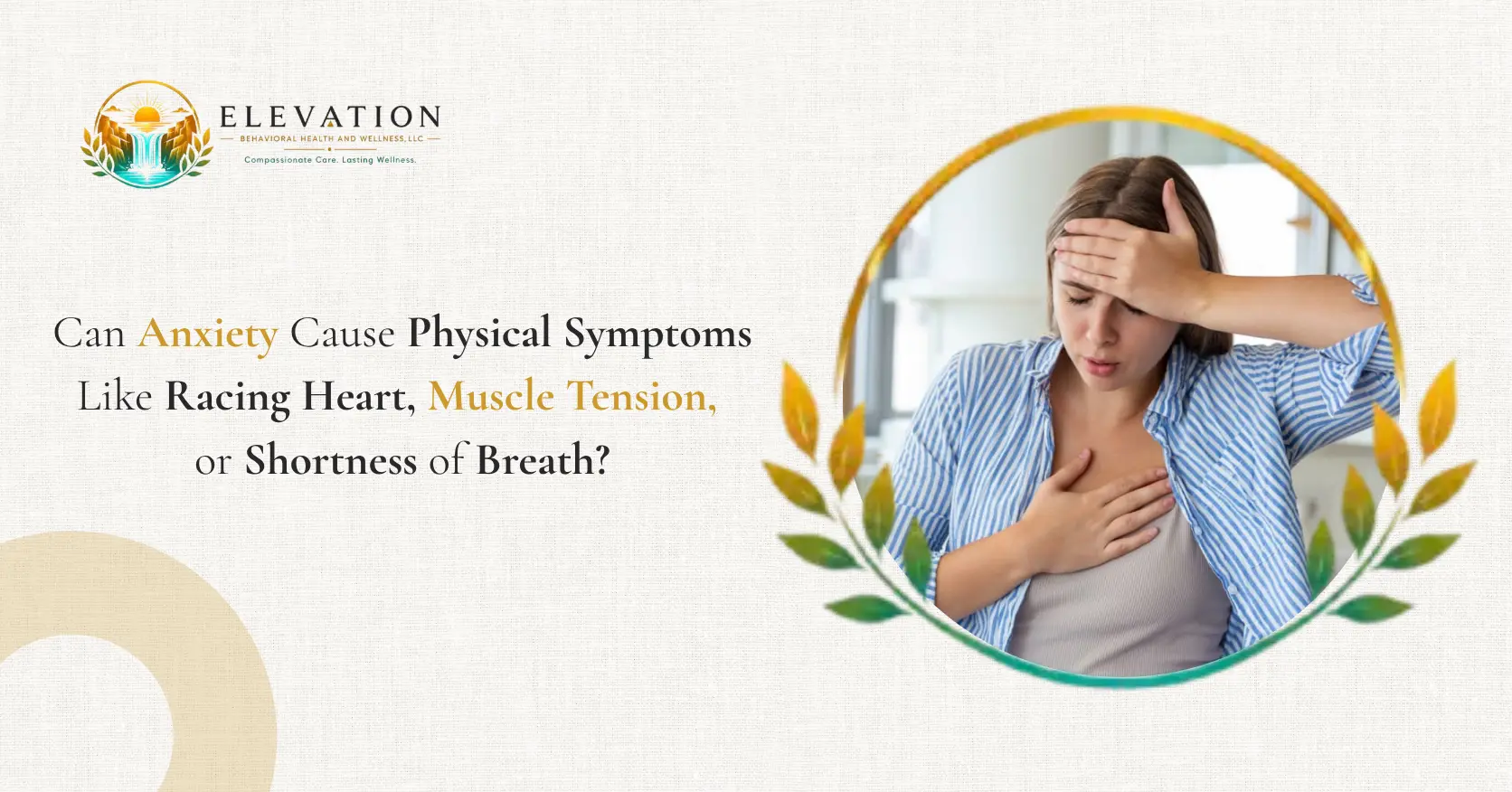
Many people think that worry is just a cycle of negative thoughts. Mental stress has very real physical symptoms, like your heart racing and struggling to catch your breath. Your pain is valid. When danger is detected, your brain sends urgent signals through your nervous system. This triggers a quick physical response that can be very scary. Let’s see why this is the case.
The Built-In Alarm System
Your brain and body communicate all day long. To understand your pain, we have to look at your internal alarm. This is the body’s fight-or-flight response, doctors say.
This reflex kept humans safe from predators. Your brain assisted you by boosting your heart rate to ensure blood reached your outermost extremities. Visualize yourself darting from a savage animal. Your body tenses, preparing for protection or a swift getaway.
Why Normal Life Feels Dangerous
We may not need to run from predators anymore, but we still depend on that primitive alarm system in our brains. Your brain interprets modern stressors such as a demanding work project or an overdue bill as actual physical threats. Your brain believes you are in danger. It reacts by pumping stress hormones into your bloodstream. Your heart races and your stomach churns, even while sitting. Your body is always ready to run, creating constant, exhausting tension.
The Most Common Physical Signs of Anxiety
Stress feels different for every person. But many notice the same clear signs.
- A Very Fast Heartbeat: Your heart may beat so hard and fast that it feels like a pounding drum in your chest.
- Stiff and Sore Muscles: Anxiety often causes unconscious physical tension, such as clenching your jaw or stiffening your neck, which leads to chronic muscle aches.
- Trouble Catching Your Breath: Your chest may tighten, causing you to take shallow breaths and leaving you feeling as though the room is devoid of air.
- Upset Stomach and Nausea: Worry can make you sick to your stomach. You might lose your desire to eat.
- Shaking and Sweating: You might sweat a lot in a cold room. Your hands might tremble.
When to Call a Regular Medical Doctor
Physical symptoms of stress, like a racing heart, can feel frightening, resembling a heart attack. But you need to see a primary care doctor first to exclude any underlying problems with your heart or lungs.
If your doctor has given you the all clear, you can safely turn your attention to your mental health and see if chronic anxiety is the cause of your discomfort. When you are upset, do you have a more painful chest? If you are healthy, then your pain is most likely due to anxiety.
Quick Ways to Calm Your Body Down
You can tell your body to stop being on high alert. You can tell your brain that you’re safe. Here are tricks to quickly calm your nervous system.
- Take Deep Belly Breaths: Stop what you are doing. Breathe in slowly through your nose. Breathe out slowly through your mouth. Repeat this five times.
- Splash Cold Water: Wash your face with freezing cold water. The sudden cold shock distracts your brain.
- Squeeze and Release Muscles: Squeeze your toes tight for five seconds. Let them go loose. Move up to your legs.
- Go for a Short Walk: A brisk walk burns off the extra adrenaline. It helps muscles stretch out.
How Elevation Behavioral Health and Wellness Can Help You
You do not have to live with a pounding heart every day. Mental health care can stop the pain. At Elevation Behavioral Health and Wellness in Laurel, Maryland, we help adults and teens find lasting relief through both in-person sessions and secure telepsychiatry. Our experienced provider, Deborah Nakato, CRNP-PMH, understands the profound physical toll of anxiety and offers highly personalized care, starting with a comprehensive psychiatric evaluation.
We offer safe psychiatric medication management to calm your nervous system. We also provide supportive psychotherapy. Therapy teaches you brand new ways to cope with daily stress. It builds up your emotional strength. Our evidence-based treatments bring lasting wellness.
Feeling scared? We can help you deserve calm. Get in touch with Elevation Behavioral Health and Wellness to embark on your healing journey today.
FAQs
Q. Does walking help lower physical stress?
Yes. A short, fast walk burns off extra stress chemicals in your blood. It also stretches out stiff muscles.
Q. Is pain from anxiety real?
Yes. The physical pain is very real. Brain signals trigger actual physical reactions throughout your body during moments of stress.